
Do Bed Bugs Like the Heat? Exploring the Relationship Between Bed Bugs and Temperature
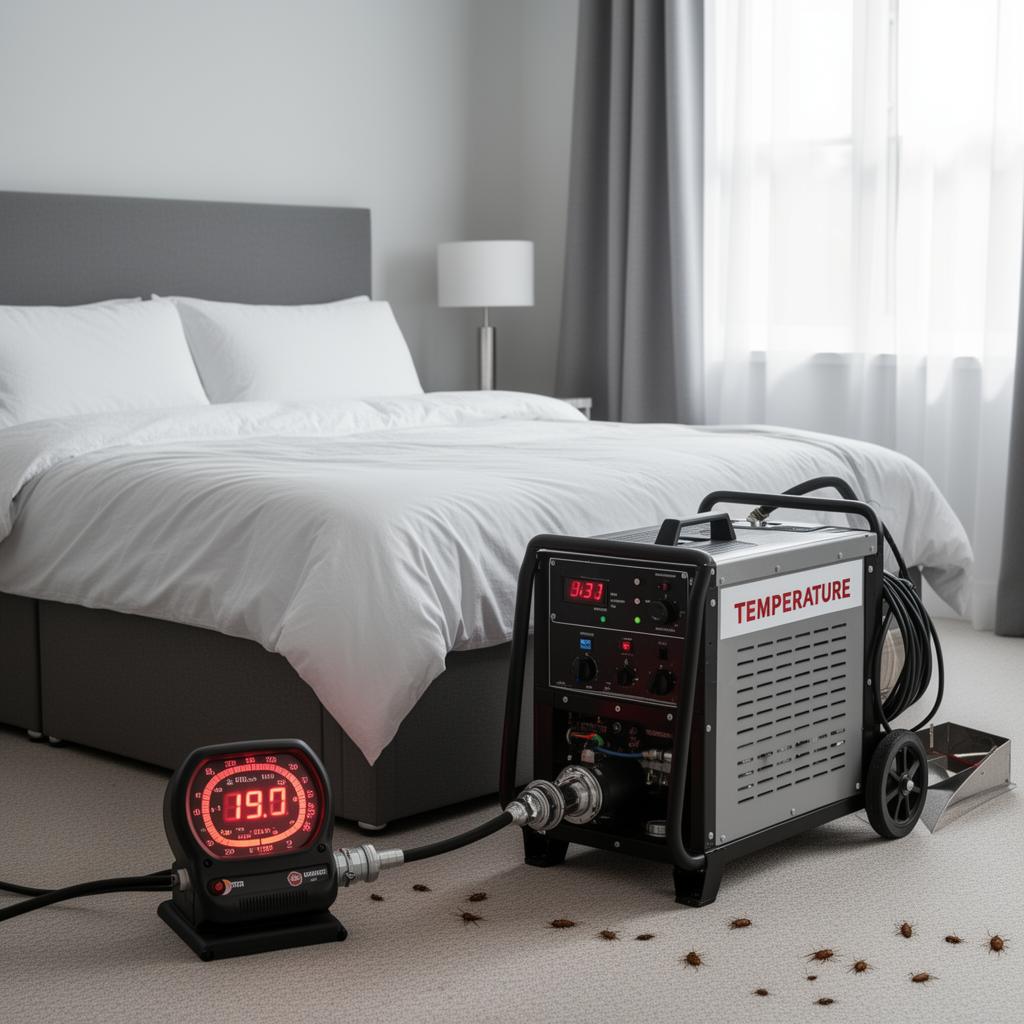
Bed bugs are known for their ability to survive in a wide range of temperatures. In fact, they can survive in temperatures ranging from almost freezing to over 50°C. While extreme heat can kill bed bugs, it's important to note that it takes sustained temperatures of over 45°C to effectively eliminate them.
Understanding Bed Bugs
Species and Appearance
The most common species of bed bug is the Cimex lectularius. Adult bed bugs are about the size of an apple seed and have flat, oval-shaped bodies. They are typically reddish-brown in colour.
Life Cycle and Feeding Habits
Bed bugs go through several stages of development before they become adults — from small, white eggs through five nymphal stages. They need to feed on blood to grow and develop, and typically feed at night when their hosts are asleep.
Signs of a Bed Bug Infestation
You may notice small brown spots on your bedding or mattress (bed bug excrement), spots of blood from where the bugs have fed, or a sweet, musty odour in the room.
The Impact of Heat on Bed Bugs
Bed Bug Attraction to Heat
Bed bugs are attracted to warmth and can sense it from a distance. They use their heat sensors to locate their hosts and feed on their blood. Heat is one of the primary host-associated cues known to attract bed bugs.
Heat as a Pest Control Strategy
Heat treatment is a popular pest control strategy used to eradicate bed bugs. It involves exposing infested areas to high temperatures, which kill bed bugs at all life stages. A target temperature of 50°C for two hours or 52°C for one hour is required to deliver full control. Heat treatment is preferred as it does not require insecticides.
Limitations of Heat Treatment
While effective, heat treatment is not suitable for all types of furniture and may cause damage to certain materials. It may also not be effective if the infestation is widespread or if the temperature is not maintained at the required level for the required length of time.
Prevention and Detection
Preventive Measures
- Keep your home clean and clutter-free
- Vacuum regularly
- Wash your bedding and clothes regularly in hot water
- Inspect used furniture and clothing before bringing them home
- Seal cracks and crevices to prevent bed bugs from entering
Detection Methods
- Inspect your home regularly for signs of bed bugs
- Use bed bug interceptors under the legs of your bed
- Use a flashlight to inspect your bed and furniture at night
Treatment and Control Options
Chemical Treatments
Insecticides such as pyrethroids are commonly used to kill bed bugs. However, bed bugs have developed resistance to many insecticides, so it's important to choose the right product.
Non-Chemical Solutions
Diatomaceous earth, heat treatment, and cold treatment are effective non-chemical options. For example, you can put infested items in a tumble dryer on high heat for 30 minutes, or seal them in a plastic bag and freeze them for several days.
Professional Pest Control Services
For severe infestations, professional pest control is recommended. Professionals have access to more powerful treatments and can ensure effective elimination.
Health Concerns and Remedies
Bed bug bites are usually painless initially but can become itchy and swollen. You can relieve symptoms by washing the area with soap and water, applying a cold compress, and using over-the-counter antihistamines. If bites become infected, see your GP for medical attention.
If you suspect a bed bug infestation, contact Bed Bug Experts for professional treatment.
Need Professional Bed Bug Treatment?
Don't let bed bugs ruin your sleep. Contact Bed Bug Experts for a free estimate and professional treatment across Leicester and the East Midlands.